
Beavers are a classic story of American conservation at its worst and at its best. During the early 19th Century, beaver pelts were the single most valuable commodity in most of North America. Much of the exploration of the New World developed from the fur trade. Wars, including the French and Indian War, were even fought over access to beaver trapping areas.
Beaver fur was in constant demand for robes, coats, clothing trim and top hats (called beavers). Beaver fur was fashionable in European capitals, and some of America’s great financial empires and real estate holdings were founded on the profits of beaver fur. With trapping totally unregulated well into the 20th Century, beavers all but disappeared from most of their original range.
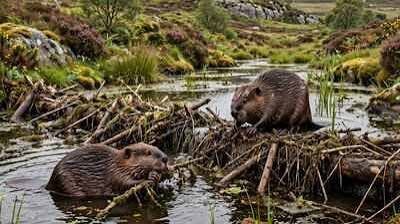
However, beaver dams are also important. They maintain an ecological balance by controlling run off, erosion and floods, and they keep the water table high enough to support rich vegetation. Beavers have also supplied people with information on swimming techniques, dam building, engineering, natural fortification and flood control.
Beavers are still harvested for their fur and meat but are actively managed throughout most of their range. The beaver’s main predator, besides humans, is the wolf. Other predators include coyotes, wolverines, bears, foxes and lynxes.
Help this Speci
Organize or attend a stream, river, lake or other waterway cleanup in your area to preserve aquatic habitats for local species.