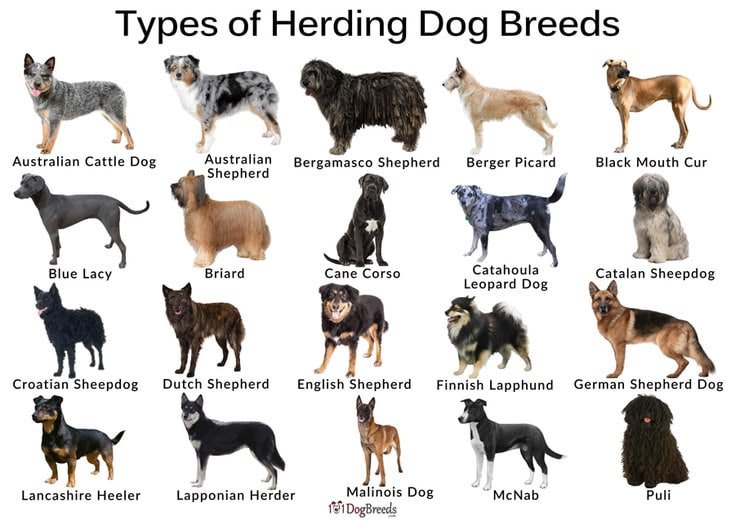
1. Working Dogs
Breeds in this group were developed to assist humans with specific labor, such as pulling sleds, guarding property, and performing water rescues.
- Characteristics: Large, strong, highly intelligent, and alert.
- Examples: Siberian Husky, Rottweiler, Great Dane, Boxer, Doberman Pinscher.
- Considerations: Because of their strength and protective instincts, they require early socialization, consistent training, and substantial mental engagement.
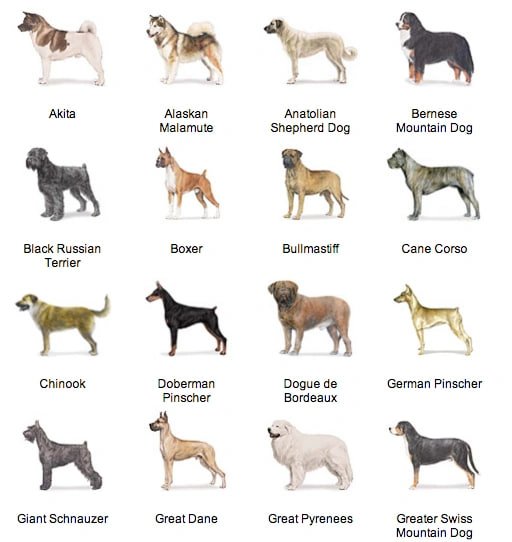
2. Herding Dogs
Herding dogs were bred to control the movement of livestock, such as sheep and cattle.
- Characteristics: Highly energetic, agile, intelligent, and quick to respond to cues.
- Examples: Border Collie, German Shepherd, Australian Shepherd, Pembroke Welsh Corgi.
- Considerations: These breeds possess a strong instinct to herd moving objects—including children and other pets. They need regular physical exercise and complex tasks to avoid boredom.
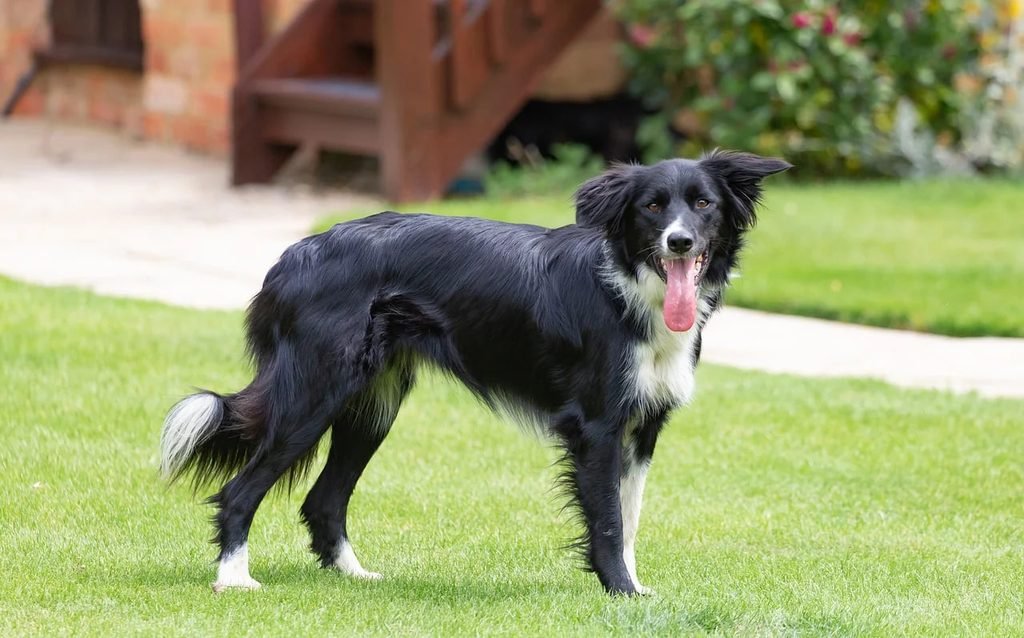
Bred to assist hunters, these dogs typically locate, flush out, or retrieve game birds from land and water.
- Characteristics: Energetic, friendly, trainable, and often fond of swimming and retrieving.
- Examples: Labrador Retriever, Golden Retriever, English Springer Spaniel, Pointer.
- Considerations: They make excellent family companions due to their gentle nature, but they need active daily exercise to burn off energy.
4. Hounds
Hounds are hunting dogs that track prey using either keen eyesight and speed (sighthounds) or exceptional sense of smell and stamina (scenthounds).
- Characteristics: Independent, persistent, and determined when pursuing a trail.
- Examples:
- Scenthounds: Bloodhound, Beagle, Basset Hound.
- Sighthounds: Greyhound, Whippet, Afghan Hound.
- Considerations: Scenthounds are easily distracted by intriguing smells, while sighthounds have high prey drives that may compel them to chase fast-moving targets.
5. Terriers
Terriers were originally bred to hunt vermin, foxes, badgers, and rats both above and below ground.
- Characteristics: Feisty, determined, brave, and vocal.
- Examples: Jack Russell Terrier, Bull Terrier, Scottish Terrier, Airedale Terrier.
- Considerations: Many terriers retain a strong urge to dig and chase small animals, requiring secure enclosures and patient training.
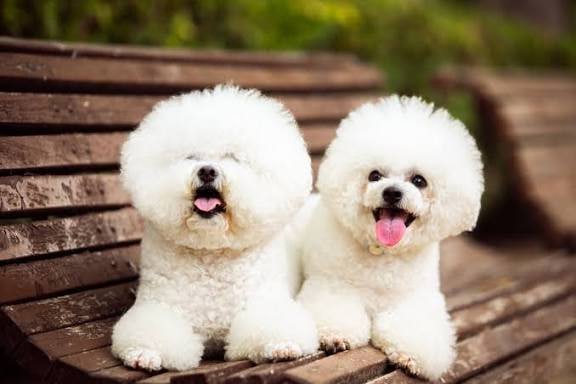
6. Toy Dogs
Toy breeds were primarily bred to serve as lap dogs and companions, often favored by nobility and urban dwellers.
- Characteristics: Small in stature, affectionate, highly portable, and adaptable to smaller living spaces.
- Examples: Chihuahua, Pomeranian, Shih Tzu, Pug, Yorkshire Terrier.
- Considerations: Despite their small size, they require standard socialization and basic training to prevent behavioral issues such as territorial barking or anxiety.
7. Non-Sporting Group
This category serves as a broad classification for breeds that do not neatly fit into other functional categories, representing a wide variety of sizes, coat types, and backgrounds.
- Characteristics: Diverse personalities and physical traits ranging from companion dogs to ancient guard breeds.
- Examples: Dalmatian, French Bulldog, Poodle (Standard/Miniature), Chow Chow, Boston Terrier.
8. Mixed-Breed and Hybrid Dogs
Not all dogs belong to a single, purebred category:
- Designer/Hybrid Dogs: Intentional crosses between two pure breeds, such as the Labradoodle (Labrador Retriever × Poodle) or Puggle (Pug × Beagle), bred to combine specific traits like low-shedding coats or mild temperaments.
- Mutts / Mixed Breeds: Dogs with ancestry from multiple unknown breeds. They often benefit from genetic diversity, which can reduce the risk of certain inherited hereditary health conditions.